Here’s the quick answer:
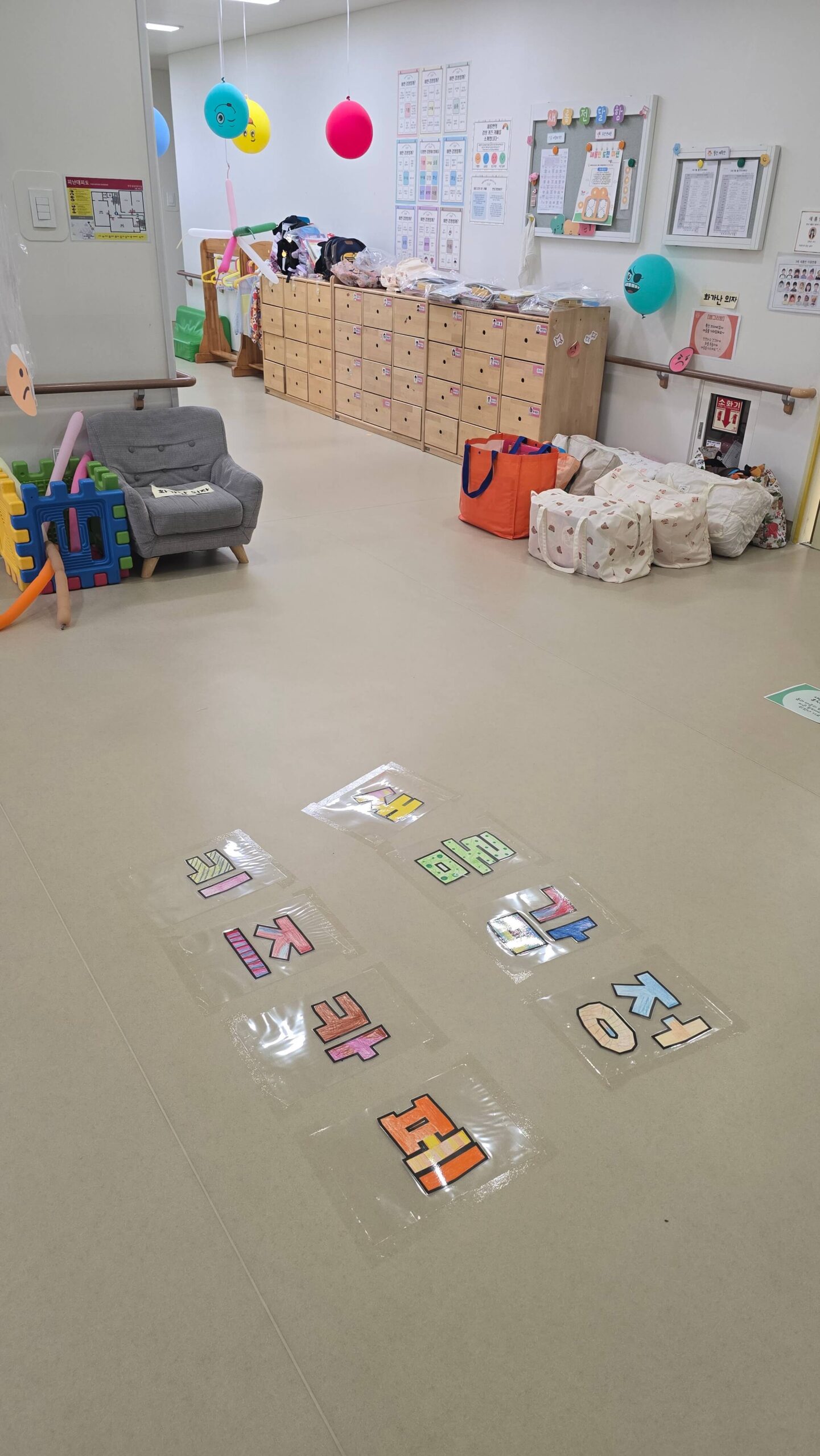
In Korea, a daycare (Eorini-jip, 어린이집) is a care-focused facility for children from age 0 to 5,
while a kindergarten (Yuchi-won, 유치원) is an education-focused institution mainly for ages 3 to 5 that runs a formal curriculum.
In short, daycare takes younger children for longer hours, and kindergarten leans toward school-readiness education.
When I first looked into childcare here, the hardest part was realizing these are two completely separate systems run by two different ministries.
Once you understand that split, everything else makes sense.
Quick Comparison Table
| Category | Daycare (Eorini-jip, 어린이집) | Kindergarten (Yuchi-won, 유치원) |
|---|---|---|
| Core role | Care & daily-life support | Early childhood education |
| Activity focus | Wide range of play activities | Play plus a stronger curriculum focus |
| Age range | 0 to 5 years | Mainly 3 to 5 years |
| Government body | Ministry of Health & Welfare / local gov | Ministry of Education / education office |
| Legal basis | Infant Care Act | Early Childhood Education Act |
| Hours | Full-day (extended care available) | Half-day + optional afterschool |
| Teacher license | Childcare teacher certificate | Certified kindergarten teacher |
| Cost | Often lower with state subsidies | Private ones may add activity fees |
| Naps | Nap time is common | Less common |
What Is the Difference Between Daycare and Kindergarten in Korea?
The most fundamental difference is which system they belong to. Daycare falls under the Ministry of Health and Welfare and operates under the Infant Care Act,
so it sits in the welfare and care system. Kindergarten falls under the Ministry of Education and operates under the Early Childhood Education Act, placing it firmly in the education system.
That single distinction explains almost everything else: hours, teacher qualifications, cost structure, and daily routine.
Age and Operating Hours
- Daycare in Korea usually accepts children from age 0 to 5 and runs full-day, often from morning into the evening with extended care. This is a lifesaver for dual-income households.
- Kindergarten mainly serves ages 3 to 5. Because it follows legal standards for instructional days and hours, classes are typically half-day, with afterschool programs available to extend the day.
Care vs Education: How the Daily Focus Differs
Because daycare centers on care and daily-life support, their main goal is a wide variety of play activities.
They still apply the shared national curriculum (Nuri Curriculum, 누리과정), so education is included too.
Kindergartens, by contrast, center on early childhood education—social, cognitive, and creative development.
Play still matters, but the program is more structured and leans toward the curriculum.
Teachers and Cost
Daycare staff are childcare teachers with a childcare certificate.
Kindergarten staff are certified kindergarten teachers who majored in early childhood education.
On cost, daycare comes in public, private, workplace, and home types, often with government subsidies that lower the burden.
Kindergarten comes in public and private types; private kindergartens may charge extra for afterschool or special activities.
When Do Korean Parents Switch?
Most Korean families use daycare from infancy and move to kindergarten around age 4.
Some children stay in daycare until elementary school, but it’s common to switch to kindergarten at least 2 to 3 years before first grade.
FAQ
Q. Which is better, daycare or kindergarten?
A. It’s not about better—it’s about purpose. Choose daycare for younger kids and longer hours; choose kindergarten for school-readiness education.
Q. Can expats enroll their children?
A. Yes. Foreign families living in Korea can use both. Subsidy eligibility may depend on visa status, so check with your local district office (구청).
Official Source
- Ministry of Education: https://www.moe.go.kr
Leave a Reply